
Natural Thyroid Health Tips: Improving Thyroid Function Naturally

The thyroid gland plays a crucial role in regulating metabolism, energy levels, and overall hormonal balance. When it is not functioning optimally, it can lead to a variety of health issues such as fatigue, weight changes, mood swings, and more. Fortunately, there are natural ways to support and improve thyroid function. This article explores practical, evidence-based strategies to help enhance thyroid health gently and effectively.
Understanding Natural Thyroid Health Tips
Supporting thyroid health naturally involves a combination of lifestyle adjustments, dietary choices, and mindful habits. The thyroid requires specific nutrients and a balanced environment to function well. Stress management, sleep quality, and avoiding environmental toxins also play significant roles.
Here are some foundational natural thyroid health tips:
Manage stress: Chronic stress can disrupt hormone balance and impair thyroid function. Techniques like meditation, deep breathing, and yoga can help.
Prioritize sleep: Aim for 7-9 hours of restful sleep each night to support hormone regulation.
Stay active: Regular moderate exercise boosts metabolism and supports thyroid hormone production.
Avoid toxins: Limit exposure to chemicals found in plastics, pesticides, and some personal care products that may interfere with thyroid health.
By incorporating these habits, the body creates a supportive environment for the thyroid to thrive.

What Foods Repair the Thyroid?
Nutrition is a cornerstone of thyroid health. Certain foods provide essential nutrients that support thyroid hormone production and repair. Including these in your diet can make a significant difference.
Key Nutrients for Thyroid Support
Iodine: Essential for thyroid hormone synthesis. Sources include seaweed, iodized salt, and dairy.
Selenium: Protects the thyroid from oxidative damage. Found in Brazil nuts, sunflower seeds, and fish.
Zinc: Supports hormone production and immune function. Present in pumpkin seeds, beef, and lentils.
Vitamin D: Regulates immune response and thyroid function. Obtained from sunlight exposure and fortified foods.
Iron: Necessary for thyroid hormone synthesis. Sources include spinach, red meat, and legumes.
Foods to Include
Seaweed: Rich in iodine, but consume in moderation to avoid excess.
Fatty fish: Salmon, mackerel, and sardines provide omega-3s and selenium.
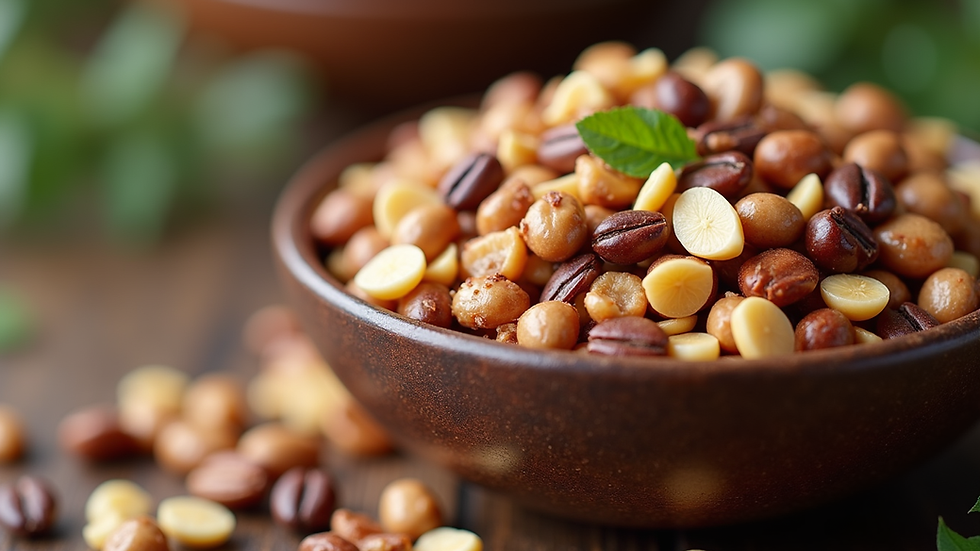
Nuts and seeds: Brazil nuts and pumpkin seeds offer selenium and zinc.
Fresh fruits and vegetables: Provide antioxidants and fiber to reduce inflammation.
Whole grains: Support digestion and steady energy levels.
Foods to Limit
Goitrogens: Found in raw cruciferous vegetables like broccoli and kale, these can interfere with iodine uptake if eaten excessively. Cooking reduces their effect on the thyroid.
Processed foods: Often high in sugar and unhealthy fats, which can promote inflammation.
Excess soy: May affect thyroid hormone absorption in large amounts.
Balancing these foods thoughtfully supports thyroid repair and overall wellness.
Lifestyle Changes to Enhance Thyroid Function
Beyond diet, lifestyle choices have a profound impact on thyroid health. Small, consistent changes can lead to meaningful improvements.
Stress Reduction
Stress triggers the release of cortisol, which can suppress thyroid function. Incorporate daily relaxation practices such as:
Mindfulness meditation
Gentle yoga or stretching
Spending time in nature
Sleep Hygiene
Poor sleep disrupts hormone balance. Establish a calming bedtime routine:
Avoid screens 1 hour before bed
Keep the bedroom cool and dark
Go to bed and wake up at consistent times
Physical Activity
Exercise stimulates metabolism and supports hormone balance. Aim for:
30 minutes of moderate activity most days
Activities like walking, swimming, or cycling
Environmental Awareness
Reduce exposure to endocrine disruptors by:
Using glass or stainless steel containers instead of plastic
Choosing organic produce when possible
Avoiding harsh chemical cleaners and personal care products
These lifestyle adjustments create a nurturing environment for thyroid health.
Monitoring and Supporting Thyroid Health Over Time
Regular monitoring is important to track thyroid function and adjust care as needed. Blood tests measuring TSH, free T3, and free T4 provide insight into thyroid status.
Working with Healthcare Providers
Partnering with a knowledgeable healthcare provider ensures personalized care. They can help interpret test results and recommend appropriate interventions.
Supplements and Herbal Support
Some supplements may support thyroid health, but always consult a provider before starting:
Selenium supplements for antioxidant support
Vitamin D if deficient
Ashwagandha or other adaptogens to reduce stress
Staying Informed
Keep up with the latest research and recommendations on thyroid health. Reliable sources and professional guidance help maintain optimal function.
For those interested in learning more about how to improve thyroid function naturally, exploring trusted resources and expert advice is a great next step.
Embracing a Holistic Approach to Thyroid Wellness
Improving thyroid function naturally is a journey that involves nurturing the body through balanced nutrition, mindful living, and supportive habits. By focusing on these areas, individuals can experience enhanced energy, mood stability, and overall well-being.
Remember, every small step counts. Whether it’s adding selenium-rich foods to your meals or dedicating a few minutes daily to stress relief, these actions build a foundation for lasting thyroid health.
Taking a patient-centered approach, tailored to individual needs and lifestyle, is key to achieving lifelong wellness and hormone balance.

By integrating these natural thyroid health tips, you can support your thyroid gland gently and effectively. This approach aligns with a modern, patient-centered philosophy that prioritizes personalized care and sustainable wellness.
Call to book a consult today, and let's help you feel like yourself again.
-Melissa Vorhis, DNP, FNP-C
This article is for educational purposes only and is not a substitute for individualized medical advice. Perimenopause care and hormone therapy require proper evaluation, informed consent, and monitoring with a qualified provider. Please consult us or your healthcare provider before starting or changing any treatment.



Comments